“treatment plant” search results (3000)
Taste characteristics of Cupid Coffee varieties with long-lasting fragrance and Flavor of Fine Coffee beans in Manor
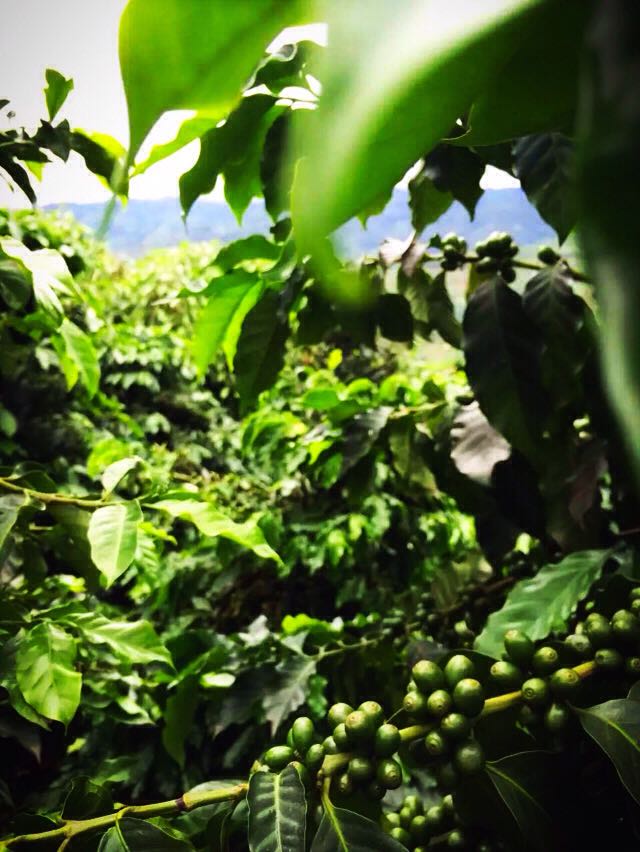
This coffee, composed of Rosa, Kaddura and Kaduai, grows in the volcanic area at an altitude of 1600 meters. The treatment plant uses fine honey treatment and traditional washing. The special local microclimate of Panama leads to abundant rainfall in this area and a large temperature difference between day and night. Coupled with the unique volcanic rock soil in the volcanic area, as well as meticulous harvesting and fine treatment, this coffee no matter
2016-09-02 Tail rhyme aroma persistence Cupid coffee variety taste characteristics manor boutique
Characteristics of Cupid Coffee varieties with long-lasting aroma and finish introduction to Fine Coffee beans in Manor
This coffee, composed of Rosa, Kaddura and Kaduai, grows in the volcanic area at an altitude of 1600 meters. The treatment plant uses fine honey treatment and traditional washing. The special local microclimate of Panama leads to abundant rainfall in this area and a large temperature difference between day and night. Coupled with the unique volcanic rock soil in the volcanic area, as well as meticulous harvesting and fine treatment, this coffee no matter
2016-09-01 Temperament tail rhyme long-lasting Cupid coffee variety characteristics taste manor boutique
How to buy Kenya AA coffee beans Kenya coffee varieties Kenya coffee treatment Washing treatment
Kenya coffee has a large following in the boutique coffee world, and Kenya AA has extraordinary popularity. Known as the Connoisseurs Cup, Kenyan coffee is renowned in the coffee world for its rich aroma, bright and vibrant acidity, full and elegant alcohol and red wine flavor. Caffeine microclimate differences in different producing areas have their own fine
2016-03-31 how buy coffee beans kenya coffee varieties processing washing
Water washing grade AA of Jiatugi treatment plant in Nyeri production area of Kenya
According to botanists in SL laboratory, SL28 and SL34 are genetic variants. Among them, SL28 has a mixed pedigree of French missionaries, mochas and Yemens Tibica. The goal of cultivating SL28 was to mass produce coffee beans with high quality and resistance to diseases and insect pests. Although the later production of SL28 was not as large as expected, copper leaves and broad bean-shaped beans were very popular.
2016-06-20 Kenya Nyeri production area Tuji Gatugi treatment plant washing
The grade of honey treatment coffee trees bloom in what month
Some plantations that had not previously used honey treatment had to treat coffee using the tools available. Since green bean processing plants in most regions, such as Latin America, Kenya and Ethiopia, used to transport green coffee beans with water, coffee beans lose some of their mucous membrane during transportation. In places like Costa Rica, Brazil or Colombia, local plus
2016-06-06 treatment grade coffee month flowering some past none used
Kenyan coffee treatment method
Coffee trees in Kenya are mostly planted at 1400 m-2000 m above sea level, and the growth areas include Ruiri, Thika, Kirinyaga and Mt. Kenya West, Nyeri, Kiambu and Muranga. Mainly in the foothills of Mt.Kenya and Aberdare. There are many producing areas in Kenya that strive to preserve the native forest ecosystem, protect the natural gene pool, and support the breeding of wild coffee varieties.
2016-05-31 Kenya coffee treatment way method many trees planting in
Coffee bean origin coffee bean planting environment
The process of natural solarization is the simplest. The fruit begins the process of sun drying without treatment after picking. This is the oldest method of treatment in existence. This method is still used in places such as Ethiopia and Brazil. Natural solarization is most common in areas where water resources are scarce. The drying process usually lasts about 4 weeks. The way to deal with it must be very
2016-05-29 Coffee beans origin planting environment nature sun this kind of treatment method process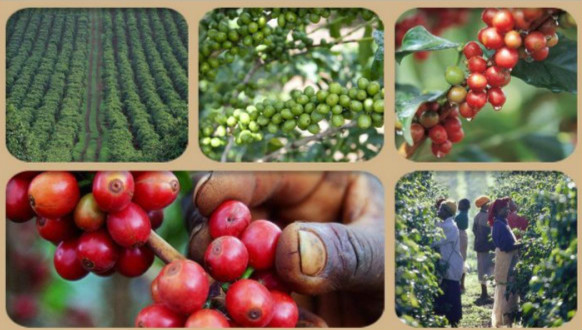
Kenya coffee treatment method Kenya coffee grade classification Kenya coffee taste suitable for iced coffee drink
Large coffee processing farms in Kenya usually have independent processing facilities. A large number of small farmers usually pick ripe coffee fruits by hand. Coffee picking is a labor-intensive job that requires the whole family to deploy and even hire workers during the harvest season. The fresh fruits of the picked coffee need to be promptly transported to the cooperative-owned coffee processing plant for pulping and transportation.
2016-04-01 Niya coffee treatment method Kenya grade classification taste fit Kenny
Water washing process at Gatugi treatment plant in Nyeri, Kenya
Kenya, located in East Africa, is one of the major coffee producing countries, with more than six million people engaged in the coffee industry, mostly in the form of a combination of small farmers and cooperatives. Coffee trees in Kenya are mostly grown at altitudes of 1400 m to 2000 m and grow in areas including Ruiri, Thika, Kirinyaga, Mt. Kenya West, Nyeri, Kiambu and Muranga. Mt.Kenya and Aberdare
2016-05-03 Kenya Nyeri Producing Area Home Tuji Gatugi Treatment Plant Washing
Bolivian coffee processing, planting area, Tibica
Bolivia FTO SHG EP producing country: Bolivia Grade: SHG planting area: Yonggas Brand: Caranavi treatment method: wet treatment appearance: 2dshock 300gr 18SCR 17-18SCR Variety: Tibica Note: this is a lively, light, bright and vibrant coffee. Dry aroma is an unusual nutty aroma, somewhat similar to peanut butter. The wet aroma has vanilla and vanilla
2016-06-03 Bolivia Coffee treatment method planting region Tibbi FT
Washing AA quality coffee beans from Jiatugi treatment plant in Nyeri production area of Kenya
According to botanists in SL laboratory, SL28 and SL34 are genetic variants. Among them, SL28 has a mixed pedigree of French missionaries, mochas and Yemens Tibica. The goal of cultivating SL28 was to mass produce coffee beans with high quality and resistance to diseases and insect pests. Although the later production of SL28 was not as large as expected, copper leaves and broad bean-shaped beans were very popular.
2016-05-10 Kenya Nyeri producing area home Tuji Gatugi treatment plant washing
The unique flavor of Sidamo Coffee Manor. Introduction to Ted Manor.
Ethiopia is rectangular, with a ratio of length to width of 3:2. From top to bottom, it is composed of green, yellow and red parallel equal horizontal rectangles, with the national emblem in the middle of the flag. Since the end of the 19th century, Ethiopia began to use the green, yellow and red cross-striped national flag. In modern history, Ethiopia is the first African country to join the forest of free nations. [8] to this century
2016-08-11 Flavor unique sexual Dharma coffee manor producing area taste characteristics introduction
Ethiopian Coffee Manor Ted Manor Flavor and mouthfeel characteristics of Fine Coffee
In December 1994, the Constitution of the Federal Democratic Republic of Ethiopia was formulated. According to the Constitution, Ethiopia will implement a federal system and a parliamentary cabinet system after the general election for a term of five years. After the national election in May 1995, the Federal Democratic Republic of Ethiopia was established on August 22, and Meles became prime minister in her capacity as chairman of the majority party of the people's House of Representatives. On May 14, 2000, Ethiopia held a national meeting
2016-09-02 Ethiopia coffee manor Ted flavor taste producing area characteristics boutique
Variety introduction of Robusta Coffee Price planting Environment Flavor description treatment method
Arabica coffee accounts for 75% of the world's coffee production, and its quality varies widely, from good to bad. In recent years, a few countries (such as India) have devoted themselves to improving the quality of robusta coffee. They have planted robusta in high altitude areas, given the most careful care, and carefully washed the coffee. As a result, they get very good quality robusta coffee beans! The top Luo.
2016-10-15 Robes Booth Coffee Price planting Environment Flavor description treatment Variety
Asian Coffee Papua New Guinea PNG Chimel Manor Grade A Water washing treatment of cooked Pearl beans
Located in the east of the Indonesian archipelago, Papua New Guinea, which is dominated by highlands, has a pattern of large manors / farms and small farmers, growing a variety of coffee varieties. The flavor of coffee in Papua New Guinea is very different from that of coffee from other Asian regions such as Indonesia, South Asia, India or the Pacific Islands; compared to Indonesian beans, which are mostly semi-washed (wet peeled).
2016-03-26 Asia Coffee Papua New Guinea PNG Mayer Manor washing treatment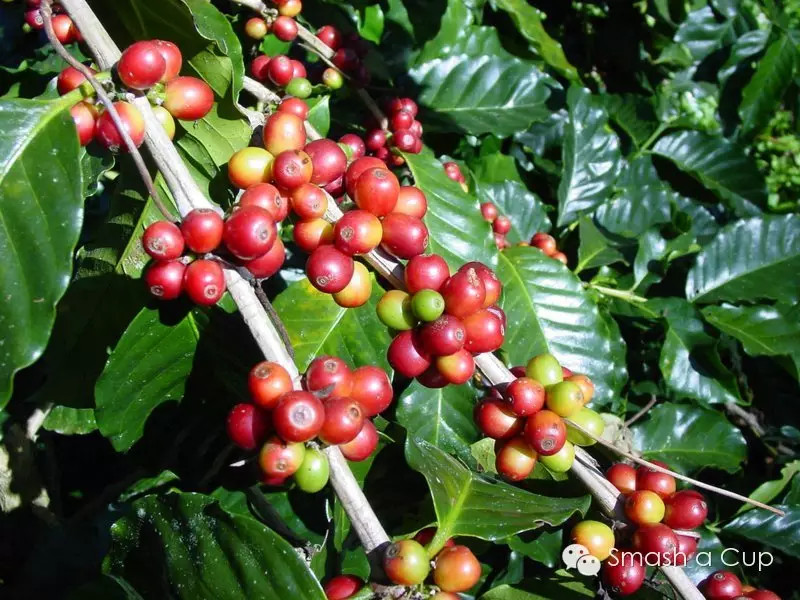
Semi-washing treatment of Carmen Manor in Panama WBC entry bean list
Carmen Manor has 60% of the natural primeval forest, where coffee trees are planted and grow in the shade of these natural trees! As a result, the farm has been certified by Rainforest Alliance Association as ECO- OK environmentally friendly coffee! The coffee beans are harvested from late December to March of the next year, and the mature coffee cherries are harvested artificially, and the waste produced in the fruit treatment (if the meat or juice are properly piled up.
2016-07-25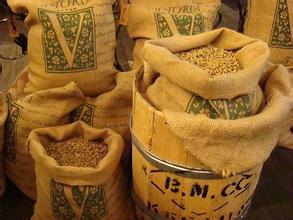
Introduction of washed coffee types and methods of various coffees in Mushuyi treatment plant in western Rwanda
Points: See a friend said to buy coffee powder directly, I personally recommend people in large and medium-sized cities, conditions or buy fresh coffee beans to grind their own is better. To make a good cup of coffee, the most fundamental thing is to have fresh high-quality coffee beans; hand grinding to buy some, you can ensure that the coffee powder is evenly thick. If the grinding is uneven, it will make the coffee taste bad.
2016-04-20 rwanda western province musu processing plant washing coffee species presentation various
Costa Rican Tarazu Black Milos Santos Fine Coffee very hard beans
Boutique coffee (specialty coffee) is also called specialty coffee selection coffee. It refers to coffee made from a small number of raw beans with excellent taste grown in an ideal geographical environment. Depending on the special soil and climatic conditions in which they grow, they have outstanding flavor. After strict selection and classification, this kind of coffee is hard in texture, rich in taste and stylish.
2016-06-22 Costa Rica Tara Hermione Ross Toth producing area boutique coffee extremely hard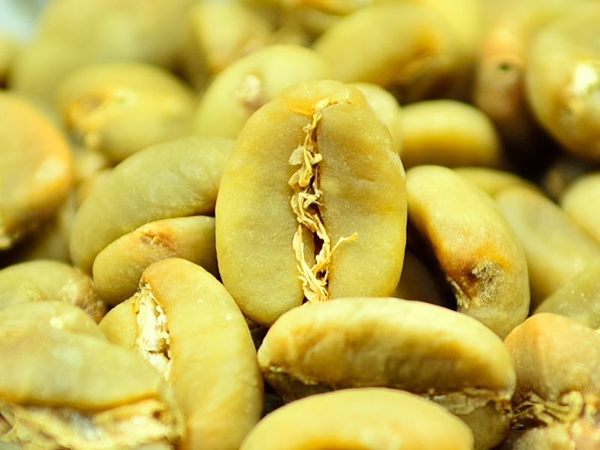
Treatment of raw coffee beans from planting to transportation: pulp peeling, fermentation, drying, selection
The harvested coffee fruit is transported to the processing plant. The factory processes peeling, fermentation, drying, sorting and other processes for processing coffee beans. Remove the pulp, pick out the bad beans, soak and ferment in water, and re-dry in the sun. After this series of complex processes, you can get fresh raw beans. This process has a great impact on the quality of coffee beans.
2015-12-17 Coffee raw beans planting transportation process treatment pulp peeling fermentation drying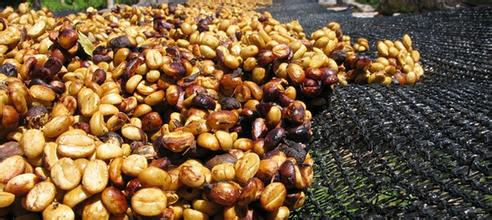
Coffee Technology: Misael Sauceda Honey treatment at Nicaragua Manor, Nicaragua
The planting conditions in Nicaragua are not inferior to those in Central American countries. Shaded coffee is grown at high altitudes. It tastes round and balanced with less sharp acid. The main unknown factor is war and hurricanes, which make a single farm unsustainable. There is no historical data for raw bean merchants to track and check farm data until after 2003, the bad factors of coffee quality are removed and backward intercourse.
2015-12-09 Coffee Technology Nicaragua providence Manor Mis